
نماذج أولية عالية الجودة للتصنيع الدقيق مع تشطيب سطح ممتاز

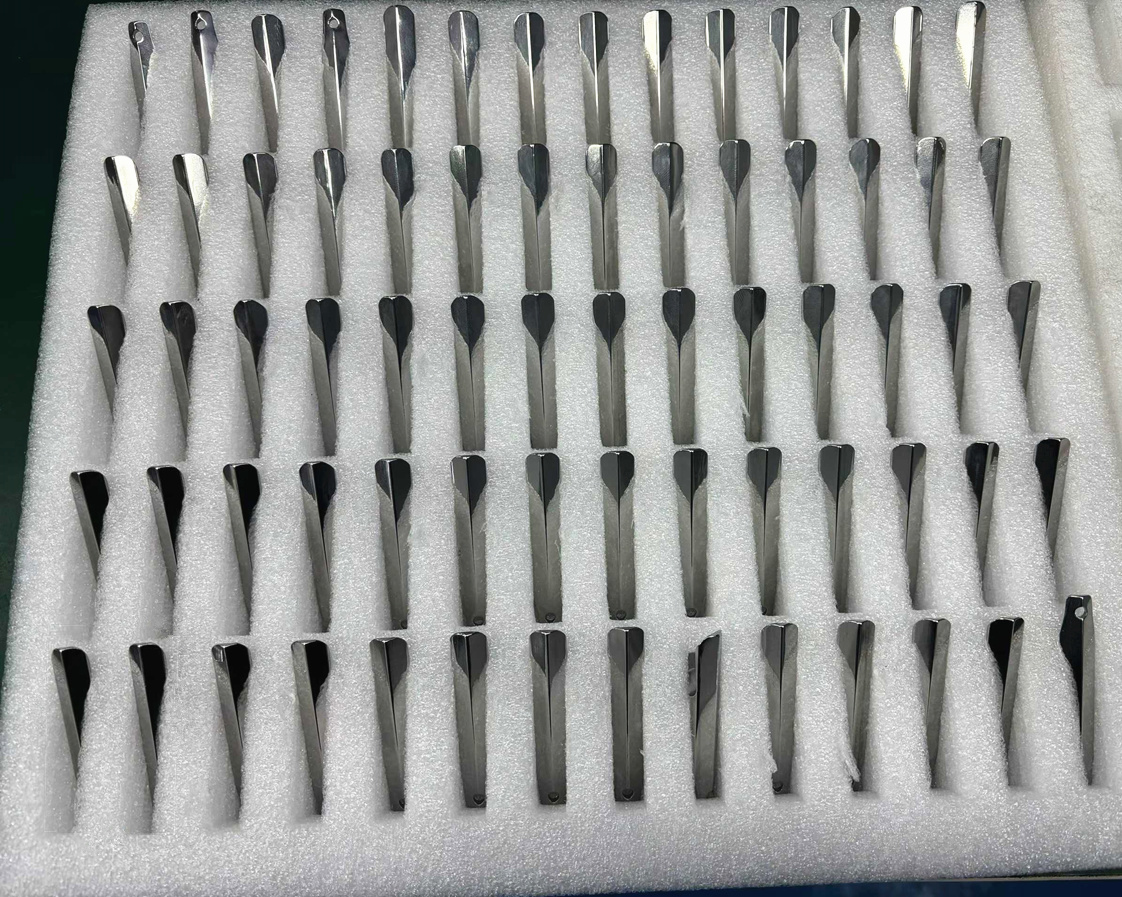
01 اختبار صارم لخشونة السطح Ra0.8 للنماذج الأولية عالية الجودة
في صناعة التشغيل الماكينجي الدقيق والنمذجة السريعة للألياف الصينية، لا يكون التشطيب السطحي تفصيلا جماليا لا يمكن الاستغناء عنه، بل هو مؤشر أساسي يحدد ملمس المنتج وسمعة العلامة التجارية وتنافسية السوق. شريكنا طويل الأمد في ألمانيا، عميل G، وهي علامة تجارية منخرطة بعمق في قطاع الأثاث الفاخر، يسعى لتحقيق تفاصيل المنتج النهائية. هذه المرة، قدم العميل الألماني G طلبا مخصصا من شركة برايتستار بروتوتايب CNC المحدودة ل 250 نموذجا أوليا حصريا لسلسلة مفاتيح معدنية، مع وضع متطلبات صارمة لخشونة السطح: خشونة السطح Ra ≤ 0.8 ميكرومتر، بينما كانت نتيجتنا الفعلية Ra ≤ 0.2 ميكرومتر.
هذا المعيار أعلى بكثير من مستوى التشطيب السطحي للأجزاء المصنعة التقليدية. بالنسبة لعميل ألمانيا G، تعد هذه الدفعة من سلاسل المفاتيح العنصر الأساسي في خط منتجات العلامة التجارية الراقية، وتستهدف المستهلكين المهتمين بالجودة. حتى الحفر الصغيرة بحجم ميكرون أو الخدوش الصغيرة الشبيهة بالشعر ستتلف الملمس العام وتضعف الصورة الراقية التي بنتها العلامة التجارية على مدى سنة. العميل الألماني G لا يتطلب فقط الامتثال للدفعات، بل لا يطلب أيضا أي انحراف في السطح والمظهر لكل منتج نهائي. يجب أن يحقق دقة التجميع ويقدم ملمس مرآة فريد لأجزاء الأثاث الفاخرة، مما يشكل تحديات كبيرة جدا للتشغيل الآلي وعمليات الطحن وإجراءات مراقبة الجودة، كما أنه صعوبة تقنية يصعب على معظم مصنعي النماذج الأولية السريعة في السوق تحقيقها بشكل مستقر.

02 رؤى الصناعة: القيمة الأساسية لخشونة السطح في بيانات التصنيع الدقيق والصناعة
خشونة السطح (قيمة Ra، أي الانحراف الحسابي للملف الشخصي) هي معلمة أساسية لقياس جودة الأجزاء المصنعة بدقة. وفقا لمنظمة المعايير الدولية ISO 4287:1997، تحدد قيمة Ra متوسط فرق الارتفاع بين التموجات الدقيقة السطحية بالنسبة لخط الأساس. كلما كانت القيمة أقل، كان السطح أكثر نعومة، وزادت صعوبة العملية بشكل كبير. في الإلكترونيات الاستهلاكية الفاخرة، والإكسسوارات الفاخرة، والطيران، والأجهزة الطبية وغيرها من المجالات الرياضية، أصبح التحكم في تشطيب السطح منذ زمن طويل عتبة وصول صناعية ومفتاح المنافسة المميزة بين العلامات التجارية.
وفقا لبيانات الصناعة من مراجعة تكنولوجيا التشغيل الدقيقة العالمية لعام 2024، ارتفع الطلب على النماذج الأولية ذات الدرجة المرآة التي تحتوي على Ra ≤ 0.2μm في قطاع السلع الاستهلاكية عالية المستوى بنسبة 37٪ سنة سنة، وأكثر من 68٪ من العلامات التجارية الفاخرة تأخذ خشونة السطح كعنصر تقييم أساسي لاختيار الموردين؛ Ra0.8μm هو معيار تشغيل عالي الدقة، بينما يتطلب تحقيق تشطيب سطحي فائق الدقة مع Ra ≤ 0.2 ميكرومتر معدات طحن احترافية، وفنيين مهرة، ونظام مراقبة جودة شامل للعملية، وأقل من 20٪ من مصنعي التصنيع الدقيق لديهم قدرات توصيل مستقرة.
من حيث قيمة المنتج، يجلب التشطيب النهائي ثلاث مزايا أساسية: أولا، تعزيز مظهر الملمس، حيث يمكن للسطح المرآة أن يبرز التموضع العالي للمنتجات، بما يتماشى مع متطلبات الجودة لعلامات تجارية مثل العميل الألماني G؛ ثانيا، تحسين المتانة، تقليل التصاق الشوائب والتآكل والتآكل من السطح، وإطالة عمر خدمة المنتج؛ ثالثا، ضمان دقة التجميع، يضمن التشطيب السطحي على مستوى الميكرون مع أبعاد دقيقة تجميع الإكسسوارات بشكل محكم ويحسن من استقرار المنتج بشكل عام. وهذا هو السبب الأساسي الذي يجعل العميل الألماني G يختار برايتستار كشريك - نحن دائما نفي بالتزامنا بالجودة بمعايير عالية للغاية.
03 الحل: التشغيل الدقيق المتحكم فيه بالكامل + عملية الطحن
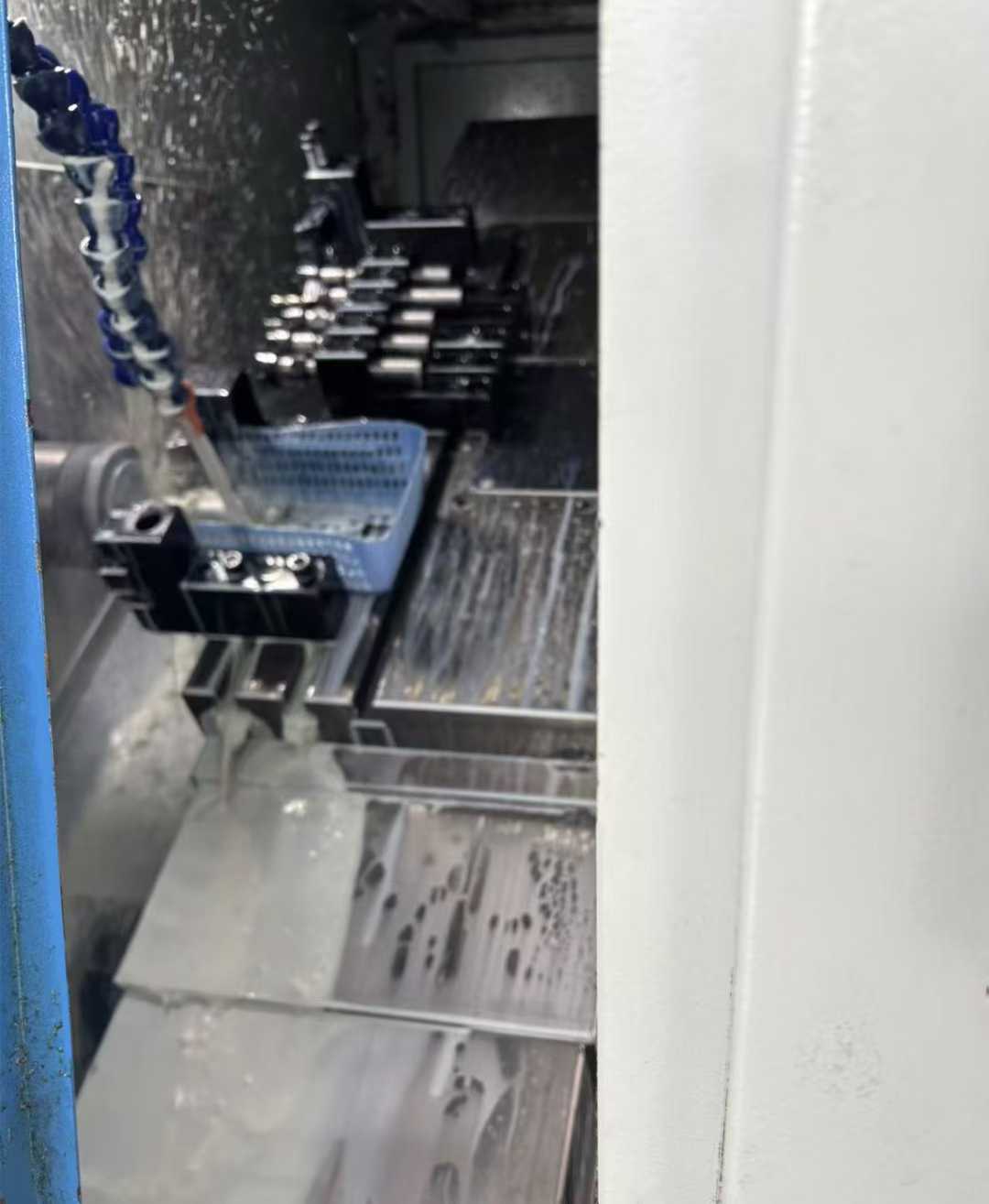
استجابة لمتطلبات العميل الألماني الصارمة G، أنشأت شركة برايتستار بروتوتايب CNC المحدودة فريق عمليات مخصص، متخلية عن أنماط المعالجة الواسعة، وتبنت حلا مخصصا يتمثل في "التشغيل الدقيق للتصنيع الCNC + الطحن الدقيق متعدد المراحل + فحص جودة العملية الكامل". من تخزين المواد الخام إلى تسليم المنتج النهائي، يتحكم كل رابط بدقة لإزالة العيوب، وفي النهاية يحقق تأثيرات التشطيب السطحية تتجاوز توقعات العملاء بكثير. توازن العملية بأكملها بين كفاءة التوصيل في النمذجة الأولية السريعة وثبات الجودة في التشغيل الدقيق، متكيفة تماما مع السيناريوهات المخصصة عالية الجودة ذات الدفعات الصغيرة.
تحليل تدفق العمليات الأساسية:
1. تحسين الهندسة قبل المشروع: تواصل عميق مع فريق العميل الألماني G، وتفكيك الهيكل، وخصائص المواد، ومتطلبات التشطيب السطحي لنماذج سلسلة المفاتيح، وتحسين مسارات المعالجة، وتجنب علامات الأدوات، وتشوه الإجهاد، ومشاكل أخرى، والتنبؤ بصعوبات الطحن مسبقا، ووضع خطة تلميع متعددة المراحل.
2. التشغيل CNC عالي الدقة: اعتماد مركز التشغيل CNC ذو الربط الخماسي المحاور، اختيار أدوات فائقة الدقة، التحكم بدقة في معلمات القطع، تحقيق معالجة الشكل القريب من الصافي، تقليل التشطيب اللاحق، تقليل مخاطر العيوب السطحية من المصدر، وضمان دقة الأبعاد والاستواء الأساسي للنماذج الأولية.
3. الطحن والتلميع الدقيق بدرجات متدرجة: كسر عملية الطحن الأحادي التقليدية، واعتمد عمليات ثلاثية المراحل من الطحن الخشن، والطحن الدقيق والتلميع بالمرايا، واستبدال المواد الكاشطة فائقة الدقة تدريجيا، وتنفيذ التشغيل الدقيق اليدوي بواسطة فنيين مهرة، مع التركيز على الأجزاء الصعبة المعالجة مثل الزوايا والأقواس لإزالة علامات أدوات التشغيل والبروزات الدقيقة.
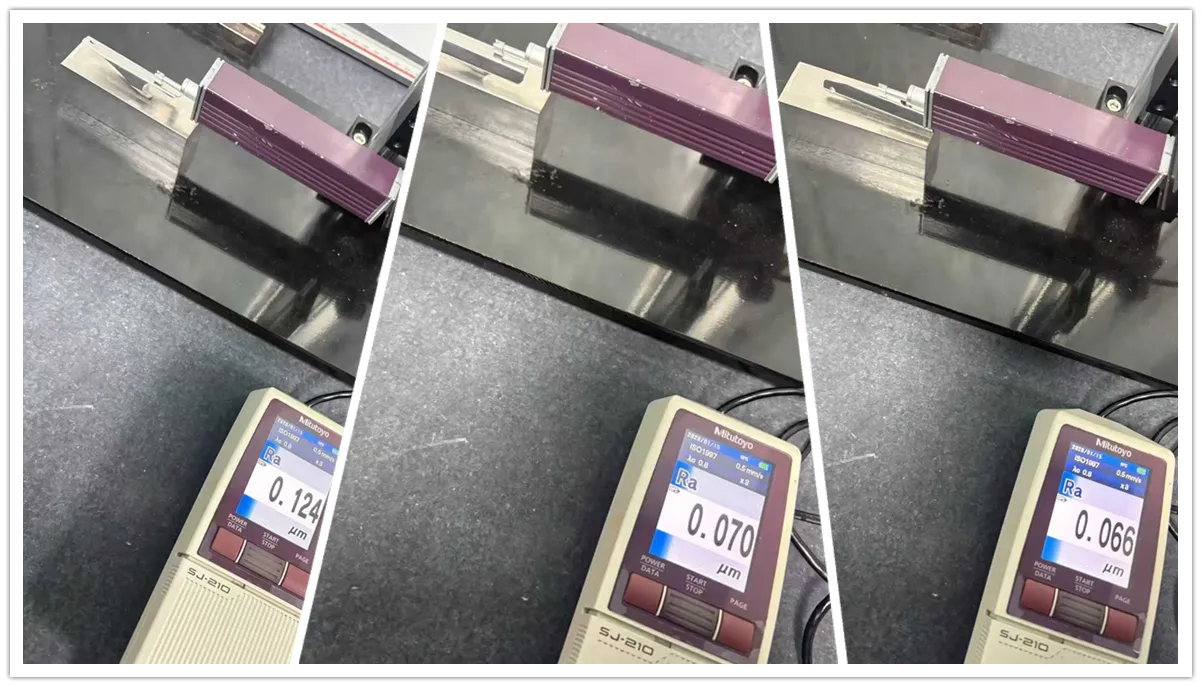
4. فحص قياسي عالي الدقة: اعتماد مقاييس التلامس المستوردة لاكتشاف قيم Ra في نقاط متعددة من كل نموذج أولي وفقا لمعايير ISO 4287، مع دعم فحص يدوي للمظهر الكامل باستخدام عدسة مكبرة عالية القوة، وفحوصات مزدوجة لمنع تدفق المنتجات غير المؤهلة إلى العملية التالية.
04 نظره عامه: تحليل كامل لمشروع نموذج G لسلسلة المفاتيح لعملاء ألمانيا
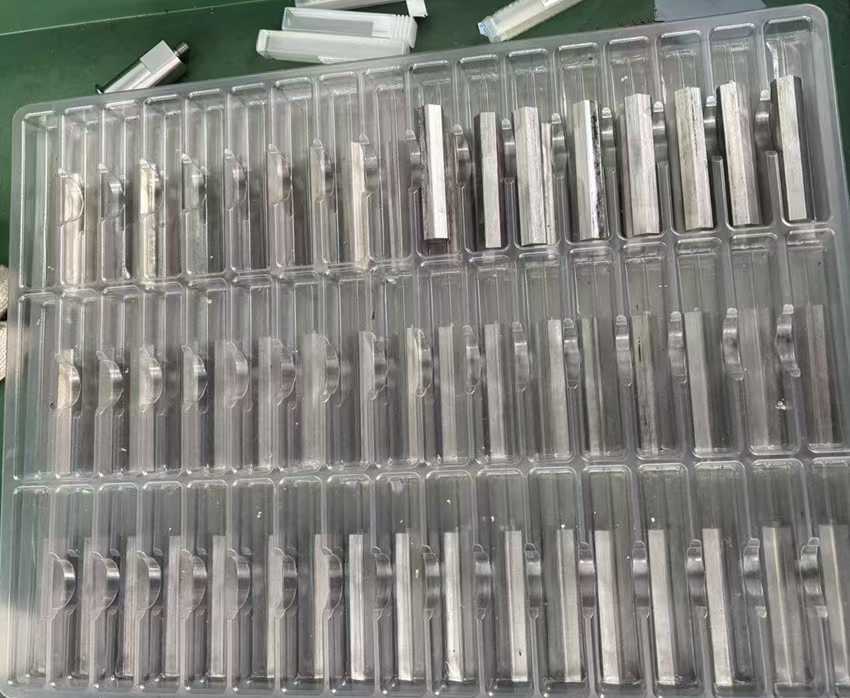
نماذج سلسلة المفاتيح النموذجية المصنعة لعميل ألمانيا G هذه المرة هي مشروع نموذجي نموذجي لنماذج أولية صغيرة وعالية الدقة ومتطلبات المظهر العالي، يمر عبر مفهوم الجودة "لا تتنازل أبدا عن الجودة، وتجتاز فحصنا أولا قبل الوصول إلى العملاء"، وهي أيضا تصوير حقيقي ل "مراقبة الجودة الهوسية" لدينا.
معايير المشروع الأساسية:

خلال الترويج للمشروع، لم نرهن المعايير بسبب صغر عدد الطلبات. بعد المعالجة الأولية، نفذ فريق مراقبة الجودة فحصا شاملا بنسبة 100٪، وفحص العيوب السطحية واحدة تلو الأخرى، ووجد أن 132 نموذجا أوليا بها حفر وخدوش صغيرة. حتى لو لم تؤثر هذه العيوب على التجميع، بدأنا عملية إعادة العمل بحزم، وأعدنا التصنيع، وإعادة التأريح، وإعادة فحص جميع الأجزاء غير المؤهلة. وأخيرا، تم فصل 118 منتجا مؤهلا من الدفعة الأولى، واستوفت 132 قطعة معاد تشكيلها المتبقية المعايير بعد إعادة المعالجة. كما قلنا داخليا: "لا يوجد تنازل في الجودة، فقط المؤهلون وغير المؤهلين. حتى لو كانت هناك عيوب بحجم ميكرون فقط، فلن نسمح لها أبدا بالتدفق إلى العميل الألماني G."
بعد تصحيح متكرر لمعلمات العملية وعمليات الطحن المحسنة، أجرينا عدة مجموعات من اختبارات أخذ العينات على المنتجات النهائية، وتجاوزت بيانات القياس الفعلية بكثير متطلبات Ra0.8 ميكرومتر للعميل الألماني G. البيانات المحددة هي كما يلي:
 نماذج سلسلة
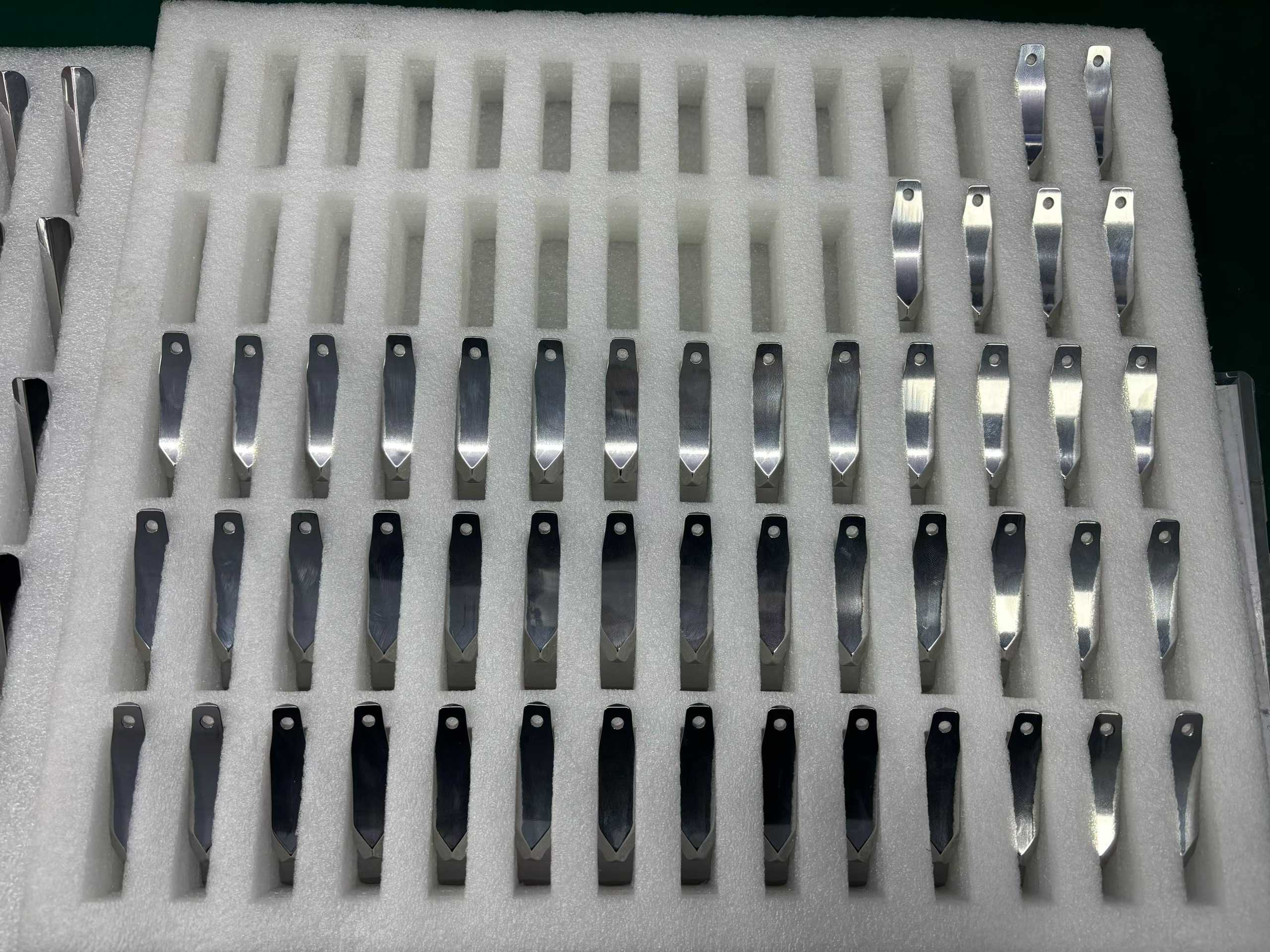
مفاتيح G التي تم تسليمها أخيرا في ألمانيا تتميز بسطح ناعم كالمرآة، وملمس رقيق وعالي الجودة، يتناسب تماما مع موقع العلامة التجارية الراقية، محققا توافقا مزدوجا بين "الدقة البعدية + نسيج السطح"، بحيث يمكن لفريق G الألماني تنفيذ النموذج مباشرة التجميع اللاحق دون إعادة عمل ثانوية.

05 مراقبة الجودة: نظام مراقبة جودة "هوسي" خال من العيوب.
بصفتها شركة تصنيع مصدر تركز على التشغيل الدقيق للتصنيع CNC والنمذجة السريعة، تأخذ شركة برايتستار بروتوتايب CNC المحدودة دائما مراقبة الجودة كقوة تنافسية أساسية، وقد اجتازت شهادة نظام إدارة الجودة من ISO9001:2015، وبنت نظام مراقبة جودة "عملية كاملة، تغطية كاملة، وعدم تحمل" للنماذج الأولية عالية الدقة، وهو أيضا ثقتنا في تلبية احتياجات العملاء الراقيين مثل العميل الألماني G.
مراقبة الجودة لدينا ليست فحص عينات من نهاية الخط، بل تمر عبر كامل عملية تخزين المواد الخام، والمعالجة، والطحن، والفحص والتغليف: يتم فحص المواد الخام للتأكد من المواد والاستواء قبل التخزين لمنع المواد الخام الرديئة من التأثير على تشطيب السطح؛ يتم تحديد نقاط تفتيش لكل عملية في عملية المعالجة لتصحيح المعايير وفحص العيوب في الوقت المناسب؛ المرحلة النهائية من المنتج تنفذ التحقق المزدوج من "كشف الأجهزة + إعادة الفحص اليدوي"، وفقط عندما تكون خشونة السطح، ودقة الأبعاد، وعيوب المظهر كلها مؤهلة يمكن اعتبارها مؤهلة؛ في رابط التغليف، تم اعتماد تغليف مقاوم للصدمات والغبار لتجنب الخدوش والصدمات أثناء النقل، مما يضمن تسليم المنتجات النهائية إلى العميل الألماني G بحالة مثالية.
هذه الرقابة "الهوسية" على الجودة التي تعتمد على "إعادة العمل التي تستغرق وقتا طويلا ولا تتنازل أبدا عن الجودة" ليست مسؤولة فقط عن العملاء، بل تلتزم أيضا بسمعة الصناعة. بالنسبة للعملاء ذوي الجودة العالية مثل العميل الألماني G، نطبق دائما معايير أعلى من متطلبات العملاء، بحيث يمكن لكل نموذج أولي دقيق يتم تسليمه من المصنع أن يصبح عنصرا إضافيا لمنتجات العملاء.
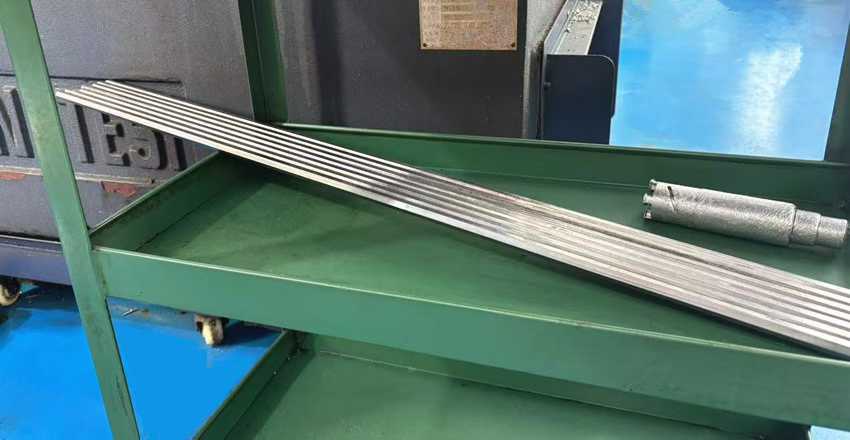
06 تسليم النتائج: أداء التشطيب المرآة يفوق التوقعات بكثير
التسليم الناجح لمشروع سلسلة مفاتيح G للعملاء الألمانيين حقق نتائج رابحة للطرفين وعمق الثقة المتبادلة بين الطرفين. من حيث الجودة، قمنا بترقية سطح Ra0.8 ميكرومتر المطلوب من العميل إلى مستوى مرآة وهو Ra≤0.2 ميكرومتر، مع قيمة قليلة مقاس تبلغ فقط 0.066 ميكرومتر، وتجاوز أداء التشطيب السطحي توقعات العملاء بكثير، دون عيوب في المظهر وملمس كامل؛ من حيث التسليم، وازنا بين احتياجات الكفاءة في النماذج الأولية السريعة، وأنهينا تسليم 250 منتجا نهائيا في الوقت المحدد تحت رقابة جودة صارمة، دون تأخيرات أو عيوب في المنتجات؛ من حيث التعاون، اعترف العميل الألماني G بنتائج المعالجة بشكل كبير، ومع جودة السطح النهائية وخدمة صارمة، أصبحنا بنجاح المورد الأساسي للنماذج الأولية المصنوعة يدويا للعملاء الألمانيين G.
كما تثبت هذه الحالة تماما أنه في مجال التشغيل الدقيق والنمذجة السريعة، التنافسية الحقيقية الأساسية ليست أبدا المنافسة منخفضة السعر. لكن القوة التقنية والقدرة على مراقبة الجودة. تلتزم برايتستار دائما بالتكنولوجيا كجوهر والجودة كأرباح، مما يساعد العلامات التجارية الراقية مثل العميل الألماني G على إنتاج منتجات أكثر تنافسية.
07 الأسئلة الشائعة في الصناعة: إجابات على الأسئلة الأساسية حول التشغيل الدقيق لتشطيب الأسطح
Q1: ما هو الفارق بين سطح Ra0.8 و Ra0.2 للتشطيب السطحي؟ ما هي الفروقات في سيناريوهات التطبيقات الرئيسية؟
ج: Ra0.8μm هو معيار صناعي عالي الدقة، يستخدم غالبا في الملحقات الدقيقة التقليدية؛ Ra0.2μm هو معيار من درجة المرآة، مع إحساس يدوي رقيق وانعكاس موحد، ويستخدم غالبا في السلع الاستهلاكية الفاخرة، والإكسسوارات البصرية، والأجهزة الطبية، وسيناريوهات أخرى ذات متطلبات عالية للمظهر والدقة. Ra0.07 ميكرومتر الذي حققناه للعميل الألماني G هذه المرة ينتمي إلى درجة مرآة فائقة الدقة، مع ملمس أفضل بكثير من المنتجات التقليدية عالية الجودة.
Q2: هل يمكن لأجزاء النمذجة السريعة الصغيرة تحقيق تشطيب سطحي فائق الدقة بشكل ثابت؟
ج: نعم. تركز برايتستار على النمذجة السريعة والتصنيع الدقيق للدفعات الصغيرة، حيث تخصص العمليات المرنة للطلبات الصغيرة. يمكن تحقيق التشغيل CNC + الطحن الدقيق دون الحاجة لفتح القالب، كما أن الطلبات الصغيرة مثل 250 قطعة من عميل G الألماني يمكنها أيضا تلبية المعايير بشكل ثابت، مع تحقيق التوازن بين الكفاءة والجودة.
Q3: ما هي العوامل الأساسية التي تؤثر على تشطيب السطح؟ كيف أضمن تناسق الدفعات؟
ج: تشمل العوامل الأساسية دقة معدات المعالجة، اختيار الأدوات، عملية الطحن، عملية مراقبة الجودة، خصائص المواد، وغيرها. نضمن اتساق التشطيب السطحي وحجم أجزاء الدفعات من خلال معايير عملية موحدة، وتشغيل فني ماهر، وفحص كامل للعملية، وقياس دقيق للجهاز، مما يلغي فروق الدفعات.
Q4: كيف ستتعامل شركتكم مع العيوب أثناء المعالجة؟
ج: نطبق مبدأ الصفر عيوب. العيوب الصغيرة التي تم العثور عليها في مشروع العميل الألماني G سيتم إعادة تصميمها وتصنيعها دون استثناء، ولن نمرر أبدا المنتجات المعيبة على أنها جيدة. لا توجد رسوم إضافية على عملية إعادة العمل بالكامل حتى تلبي المنتجات النهائية متطلبات العملاء بالكامل.
08 التزاماتنا الأساسية ودعوة التعاون
1. لا تتنازل أبدا عن الجودة: كل التصنيع الدقيق وقطع النماذج الأولية السريعة تنفذ وفقا صارمة لمعايير العملاء، مع بيانات قياس فعلية قابلة للتتبع، ولا يتم التسليم إذا لم تتحقق المعايير؛
2. الدعم الفني المهني: مع سنة من الزراعة العميقة في التشغيل الدقيق، لدينا فريق فني ماهر ومعدات معالجة عالية الجودة قادرة على تحقيق تشطيب سطحي فائق الدقة بدرجة Ra0.05 ميكرومتر وما فوق؛
3. تسليم فعال وسريع: التكيف مع احتياجات النماذج الأولية السريعة، الاستجابة العاجلة للطلبات الصغيرة، التحكم الصارم في فترة البناء، وعدم تأخير تقدم
إطلاق المنتج؛4. خدمة كاملة للعملية: ربط المشروع واحدا لواحد، تحسين العمليات مبكرا، مزامنة التقدم في منتصف المدى، دعم متأخر بعد البيع، تعاون خال من القلق طوال العملية.
إذا كنت، مثل العميل الألماني G، بحاجة إلى تشغيل CNC دقيق، والنمذجة السريعة، وتخصيص النماذج الأولية الدقيقة بدفعات صغيرة، خاصة المتطلبات الصارمة لخشونة السطح ودقة الأبعاد، يرجى التواصل مع شركة Brightstar Prototype CNC المحدودة. سنوفر لك حلول عمليات مجانية وعروض أسعار دقيقة، ونستخدم التكنولوجيا المتطورة والجودة القصوى لمساعدة منتجاتك على بناء تنافسية أساسية وتصبح شريكك الموثوق في التشغيل الدقيق.
المراجع
1. ISO 4287:1997، مواصفات حاصل الضرب الهندسية (GPS) -- نسيج السطح: طريقة الملف الشخصي -- المصطلحات، التعريفات ومعايير
نسيج السطح 2. مراجعة تكنولوجيا التشغيل الدقيق العالمية 2024، تحليل الاتجاه لطلب التشطيب السطحي للتصنيع الدقيق للسلع الاستهلاكية عالية الجودة